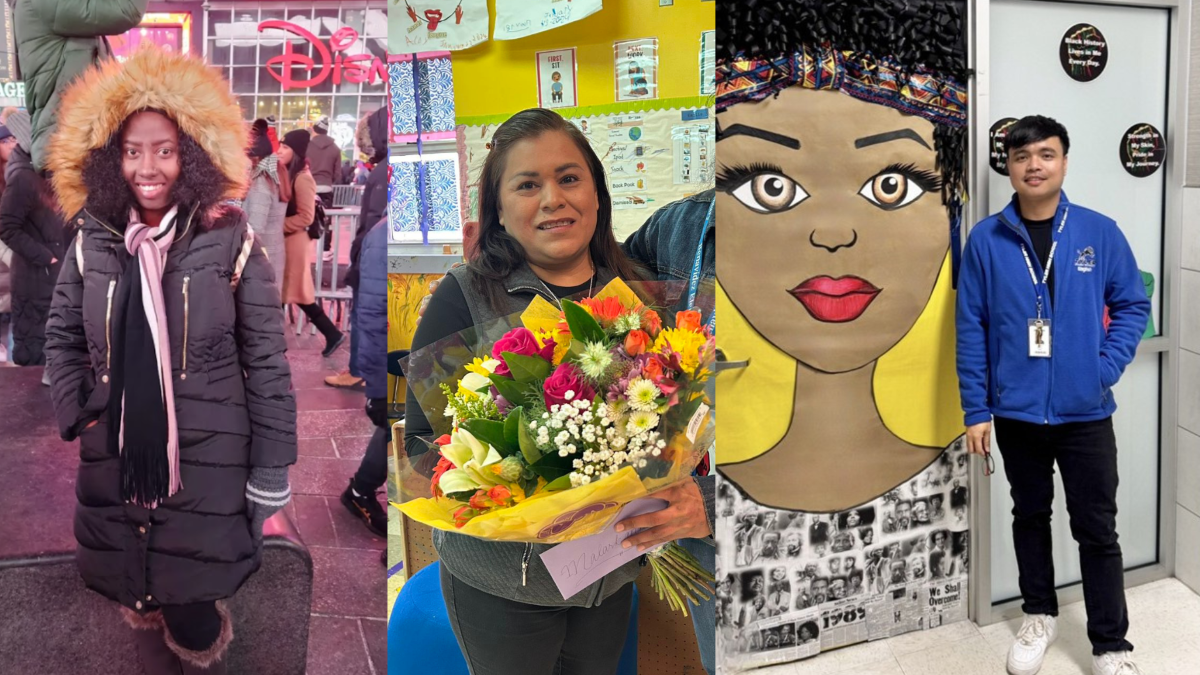
Accepting a teaching position in the US can be “a dream come true” for international teachers. For a smooth transition, exchange visitors are advised to gather information in advance about their destination, and this is particularly important when moving to a remote location in the US. Here are some ideas to take into consideration when accepting a job offer for a host school in America’s rural “heartland”.
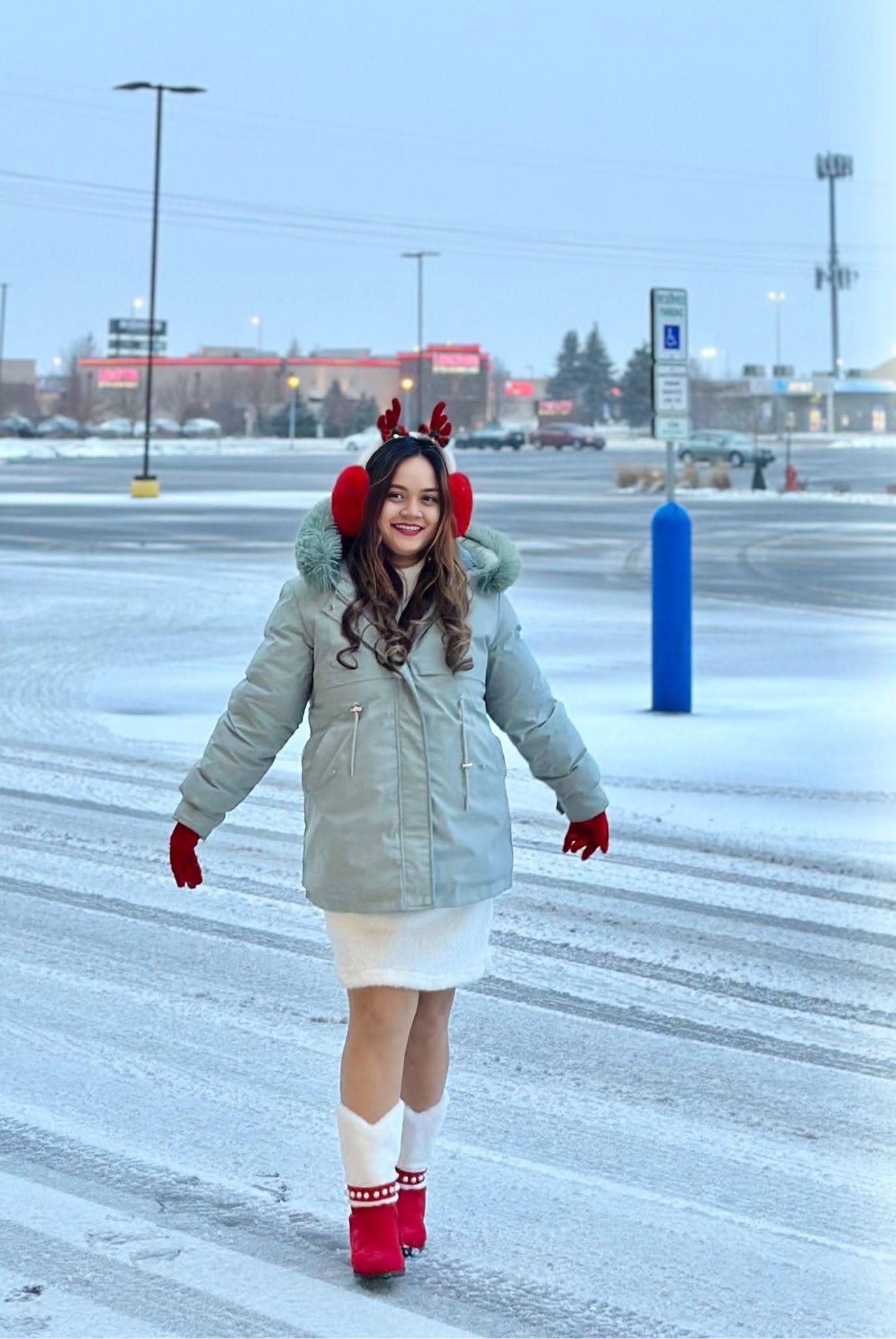
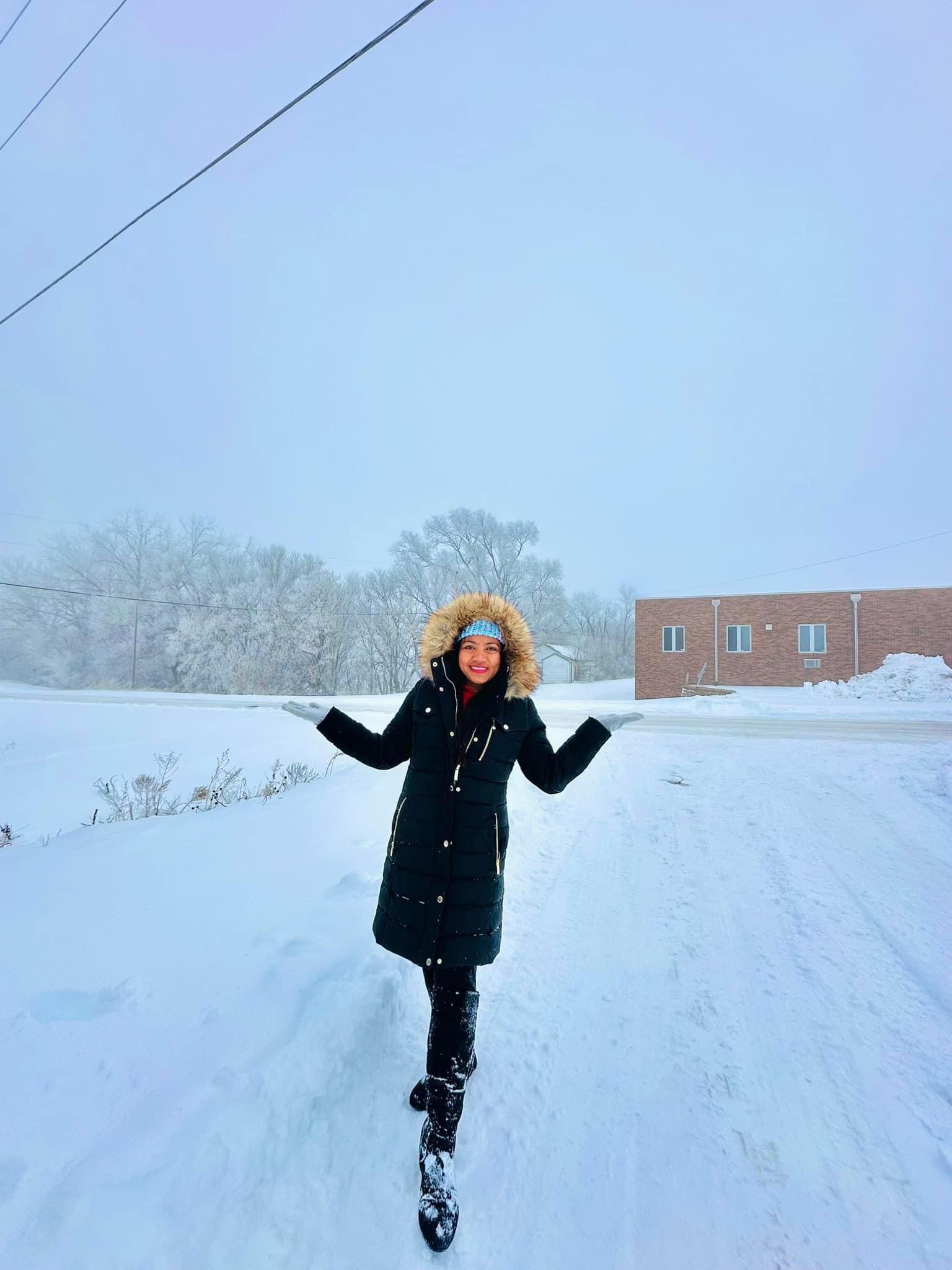
The climate in midwestern and northern US states can be a significant adjustment for new exchange teachers. Exposure to prolonged harsh winter weather, such as very dry, frigid air, strong winds, heavy snow and ice is a major change, especially for teachers arriving from the tropics! For many exchange visitors, experiencing their first snowfall and seeing real icicles is greatly anticipated, but the freezing winter months are not to be underestimated.

“One of the hardest things to adjust to in my first year in South Dakota was the weather and seasonal changes. Extreme weather can affect travel, school schedules, recess, and even students’ energy levels in the classroom”,
Teacher from the Philippines in the first year of her program.

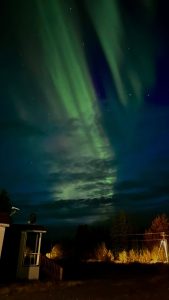
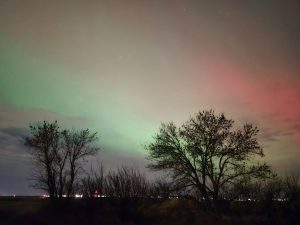
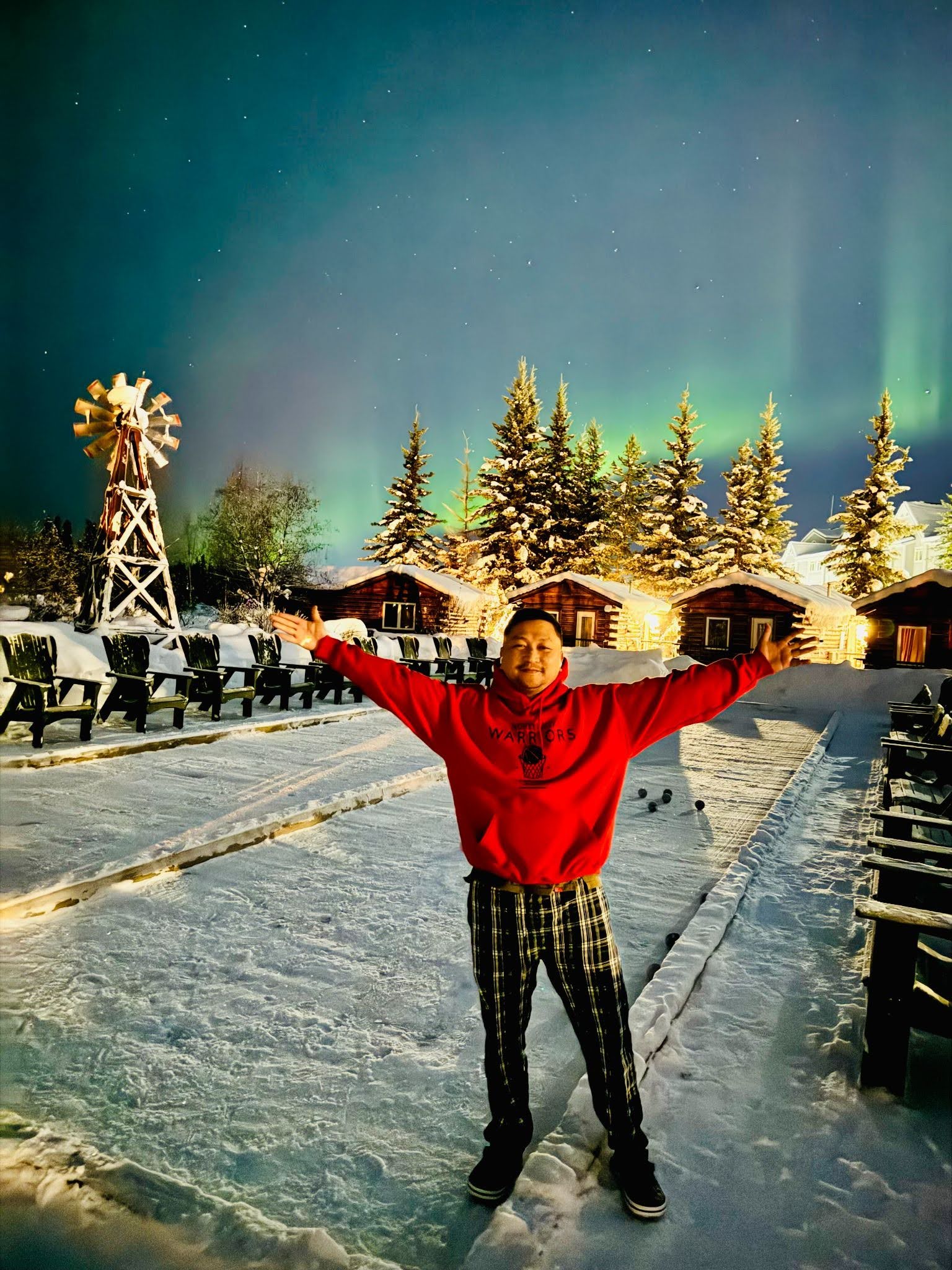
The adage, “There is no such thing as bad weather, only inappropriate clothing” is accurate. Ask any resident of a northern state and they will share that it is essential to wear proper winter clothing like insulated coats, boots, gloves, hats, scarves, and lots of layers! Some teachers originally from climates with year-round sunny days also mention how the limited hours of sunlight and seasonal changes impacted their mood. The good news is that most exchange visitors do adjust to the wide range of temperature changes and appreciate the beauty of nature’s four seasons. A unique bonus – a spectacular natural phenomenon teachers’ may experience in northern states is observing the Aurora Borealis, or “Northern Lights” across the night sky!
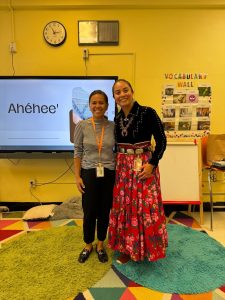
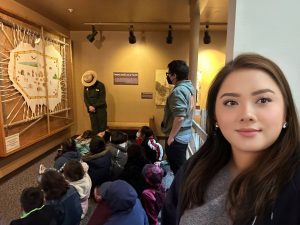
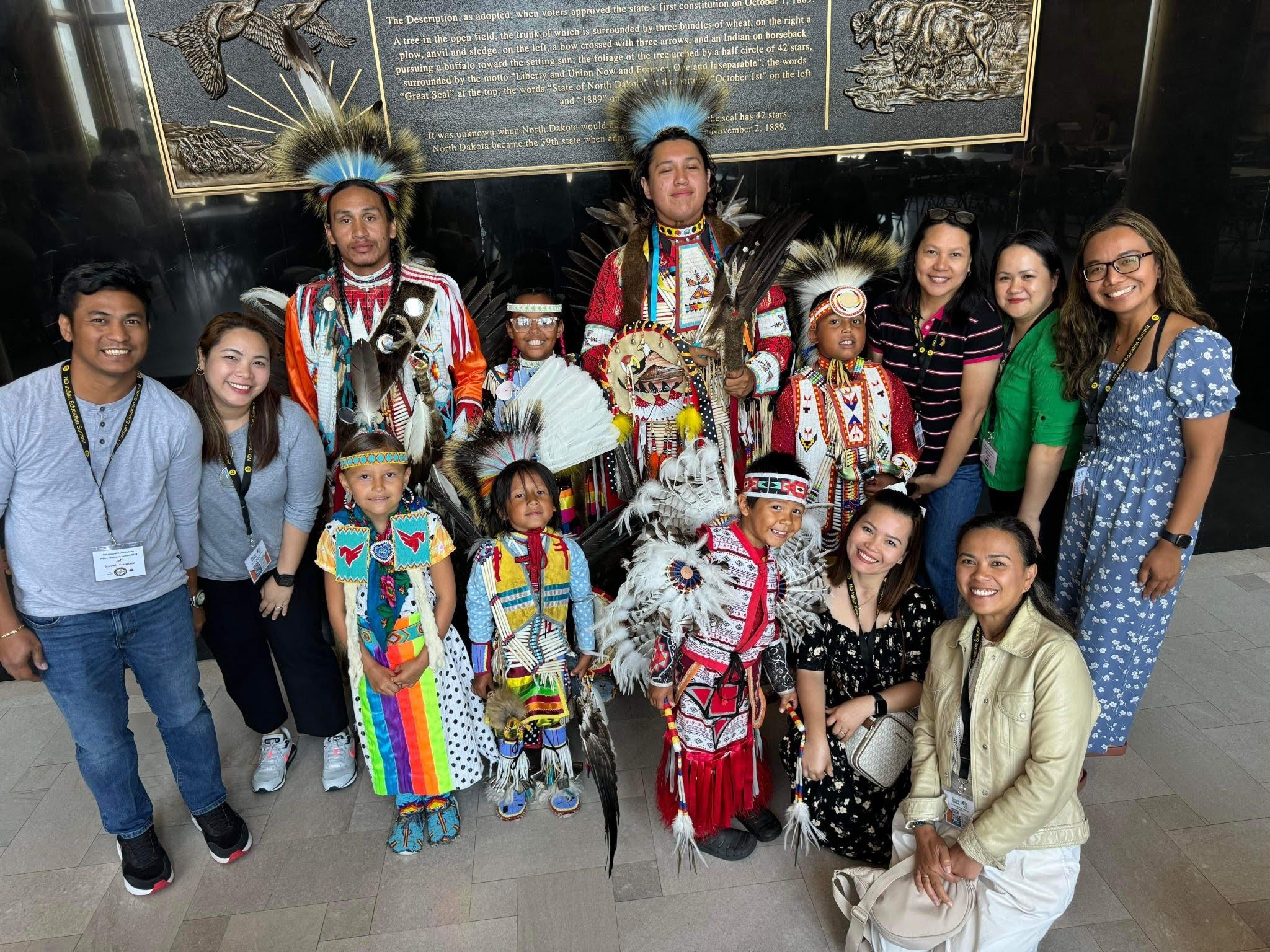
Another important consideration for exchange teachers joining schools in rural communities is to gain an understanding of the rich cultural heritage, local customs, values, and traditions. Investing time researching, seeking information from well-informed residents and school leaders, and community immersion benefits teachers and their students. For instance, some students in remote areas may have a history of inter-generational trauma or poverty, and classroom management approaches may significantly differ from what foreign teachers found to be successful strategies in their home country. Having background knowledge will help international educators strengthen their classrooms, enhance their teaching practice, and ultimately optimize student outcomes.

“I wasn’t firm enough with my students during my first year because I was still adjusting and learning how to discipline them. Since then, I have improved with the help of professional development and guidance from my principal and mentors. The more time I spent with students, the more I learned that they need guidance, love, and care from adults, teachers, and counselors. I understood that they needed someone to talk to, someone they can learn from and trust.”
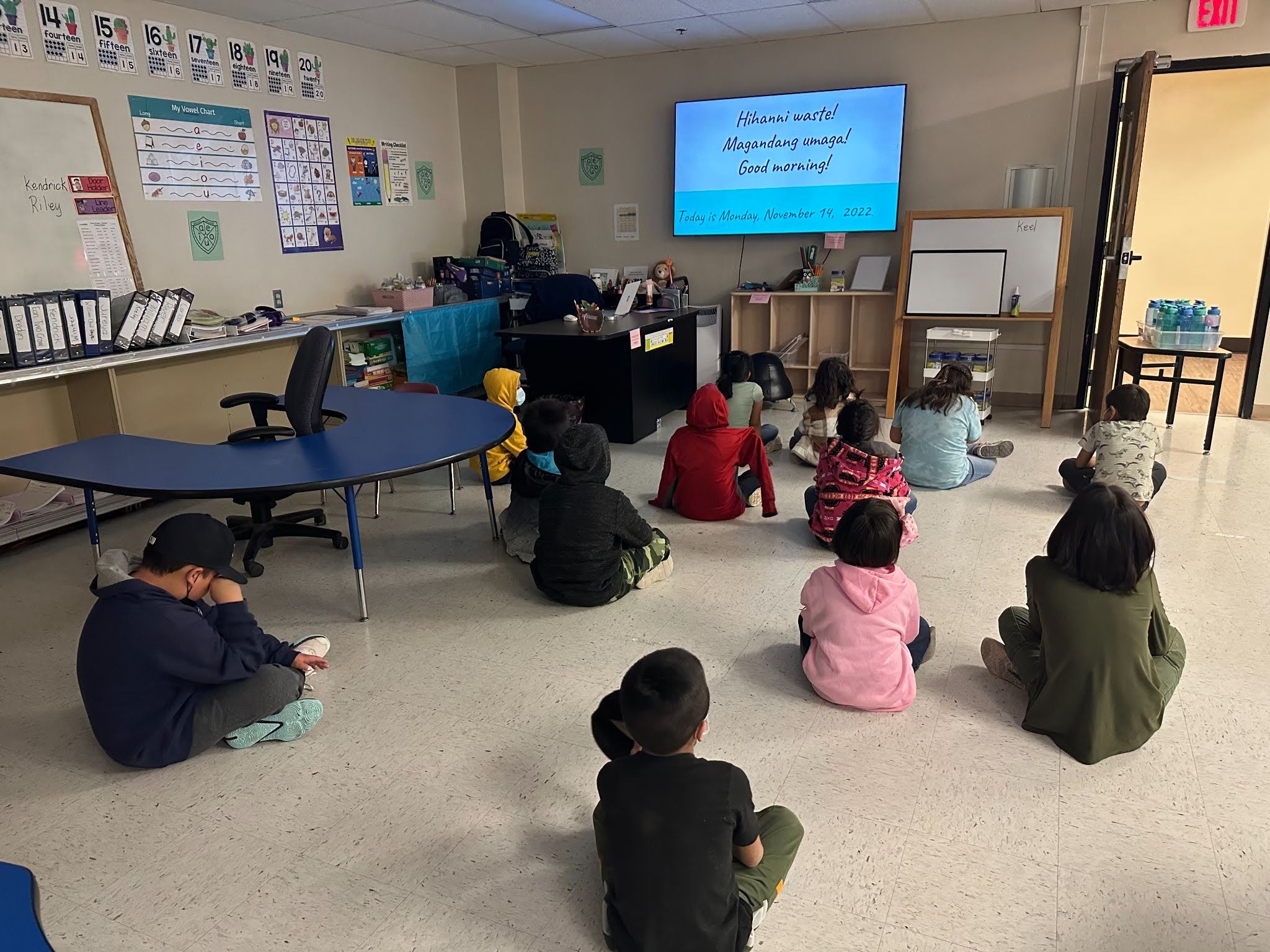
International teacher in the third year of her exchange shared.

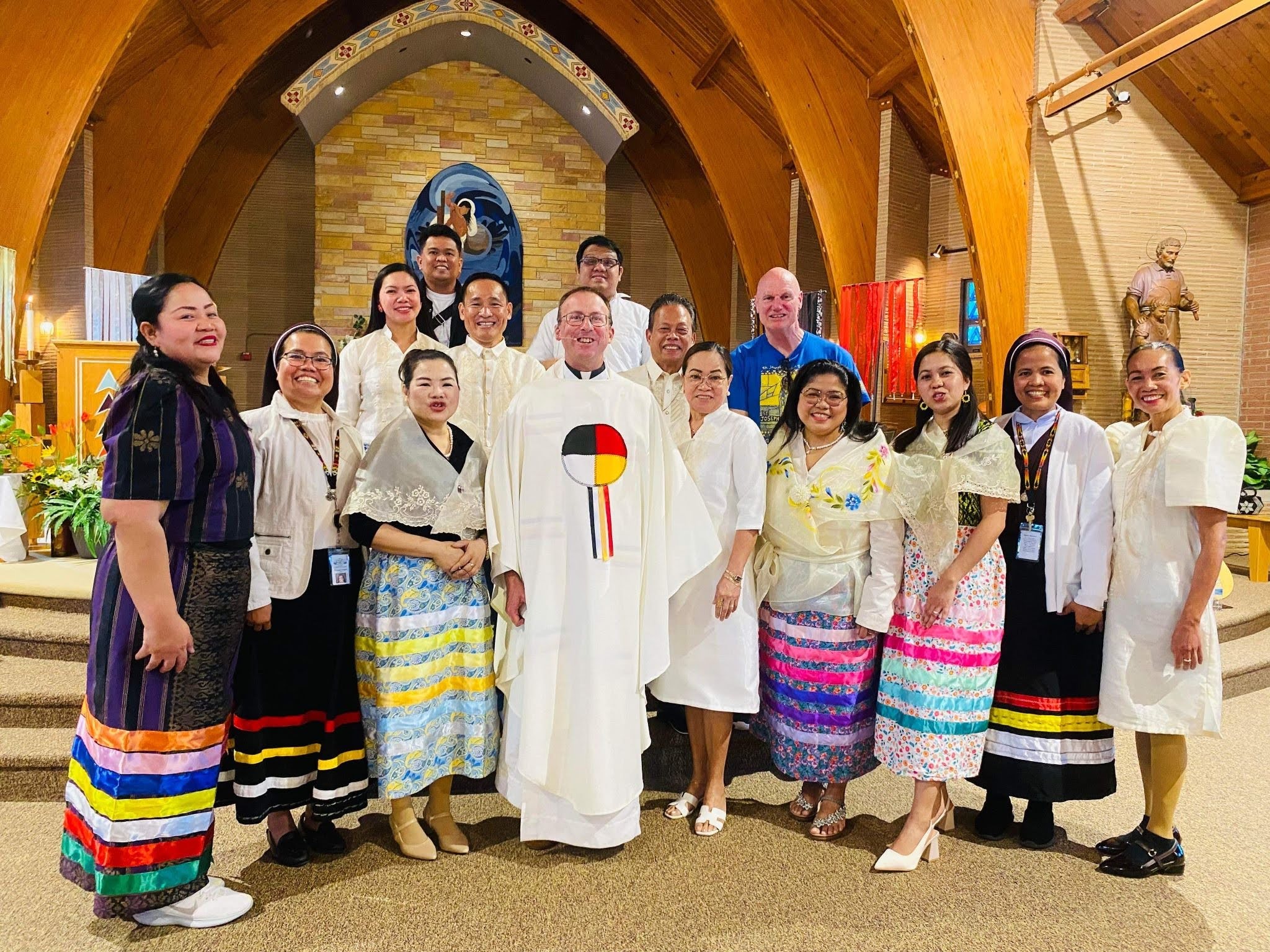
Teachers must focus on relationship building, consistency, empathy, and being proactive in seeking guidance from administrators when needed. For foreign educators, having the awareness that it takes time to become familiar with the culture, learn how to communicate with US parents, colleagues and students, and understand school-community values and expectations is key. Remember to be patient with yourself and accept the process. Many teachers come to recognize cultural similarities with their home country. For instance, both Native American and Filipino cultures emphasize community, respect for elders, a sense of heritage, and connections to nature, and incorporate these values to create meaningful classroom learning experiences. The good news, international teachers do find their “voice” and build supportive and safe classrooms with daily routines that make a lasting difference in students’ academic and personal growth.
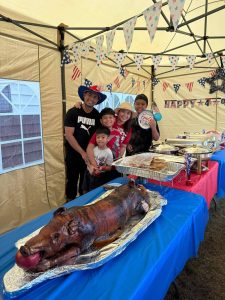
While living in remote areas can be geographically isolating, building a strong community comes with time and intention. Host schools welcome new faculty and often provide training and mentors for support. Co-workers can offer guidance, attending local activities like powwows and country fairs, and community involvement through church, choir, and sports can help teachers develop a sense of belonging, lead to life-long relationships and leave a lasting benefit to your temporary home. Developing a strong support network both inside and outside the host school is important for participants’ well-being. Transportation can also present challenges in more remote locations as public transportation may be limited or even non-existent in some communities. Teachers find that carpooling or learning to drive and eventually buying a used vehicle can be good options. Planning ahead, for instance obtaining an international drivers license, and connecting with people already in the local area, can help prepare for and ease the transition.
Access to large grocery stores and big box stores, malls, restaurants, entertainment, health care facilities, and unique educational services will be more limited in rural areas. It can be long distances to specialty medical treatment or alternative learning settings and participants should take into consideration the location for any underlying health issue requiring regular appointments or dependents with special learning needs. Small towns in the US can provide a peaceful and natural setting in place of city nightlife or suburban shopping, but families should assess their needs before accepting a job offer. Though cultural exchange visitors may be hosted in a rural town, they are encouraged to travel across the US during their program. Many visitors enjoy vacations exploring iconic American places such as Disneyland, Niagara Falls, New York City, Washington D.C.and Las Vegas!

Top tips for a smooth transition:

  • Research – the host school, local community, and state in advance.
  • Academics Learn about the school system expectations, policies, assessments, classroom management strategies, curriculum standards and daily routines.
  • Self-Assessment – Check your flexibility and coping skills, be realistic about family health and educational needs.
  • Attitude – Pack your positivity and sense of humor, maintain a “growth-mindset”, consider ways to integrate locally.
  • Seek Guidance – Before feeling overwhelmed or frustrated, reach out to school administrators, mentors, or your Program Manager at Teachers Council for support.
  • Embrace Differences – Take it one day at a time, enjoy your amazing journey, travel, and experience the US as time on your program goes by quickly!
  • Incorporate Similarities – Culture and values come with you – use them to build bridges of understanding as an ambassador of your county in your rural US town.
  • Remember your “Why” – Feeling anxious? Reflect on your personal reasons for joining the exchange program. What do you want to accomplish, what are your goals? What does your participation mean for your life?
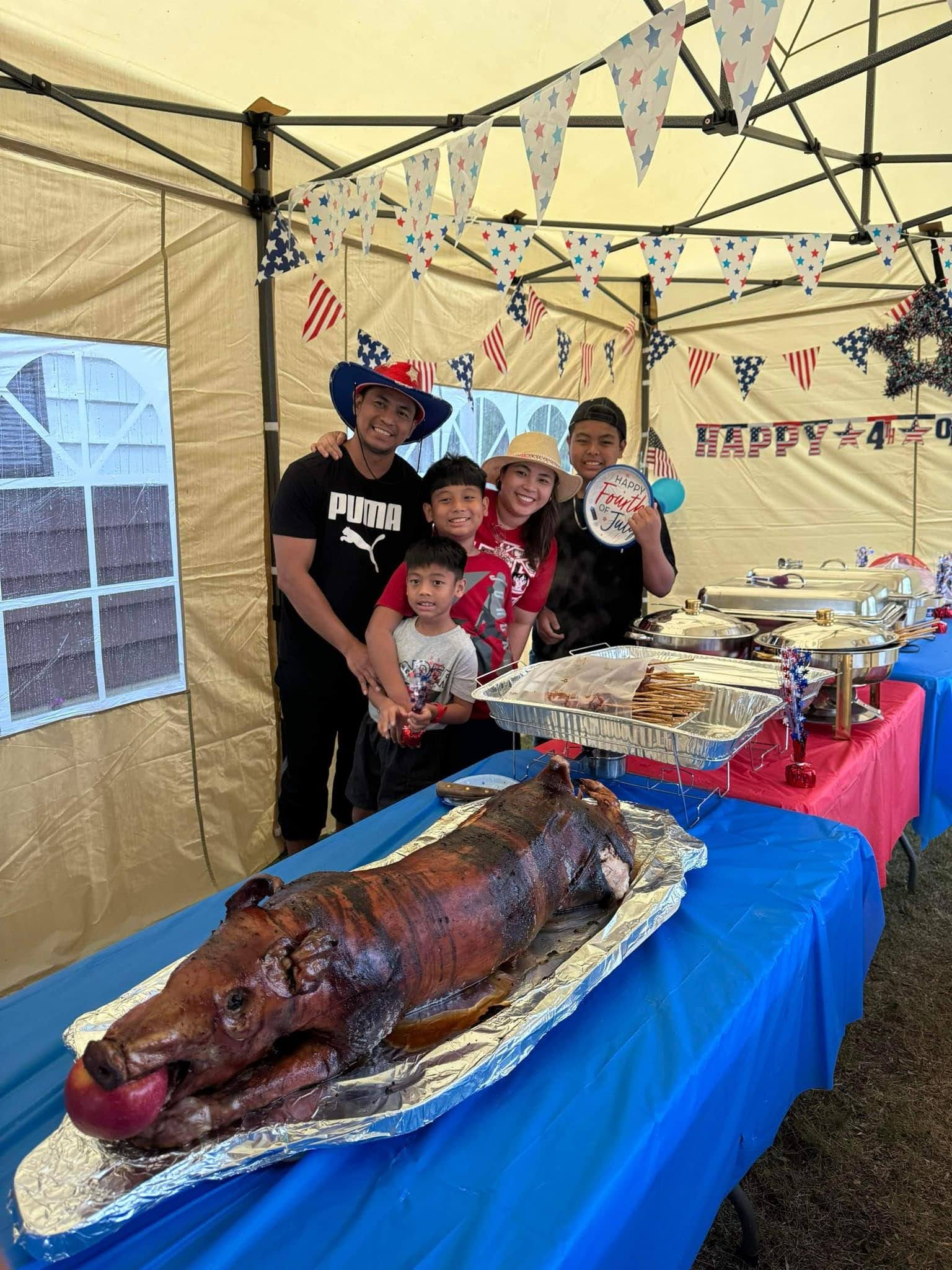
Teaching in remote areas in the US can be a transformational experience for teachers and the local population. There will be challenges and obstacles to overcome but these are the beautiful, enriching experiences that lead to growth. International educators leave an imprint on their students, host schools, and communities long after they have returned to their home country. Exchange visitors are adventurous, brave, and courageous educators, seeking to experience the world beyond their shores. With an openness and a commitment to learning, teachers are thriving in unique and rewarding rural settings and leaving a big impact on their students’ lives!

“My ‘secret,’ if anything, has been staying flexible, asking lots of questions, and building good relationships with both colleagues and students. I also kept on praying and tried to stay grateful for where I am and what I have now.”

DR, grade 2 teacher in South Dakota.

Related Posts

Wading in New Waters

Global Classrooms: Insights from International Teachers in the U.S.
Gunaseeli P. - A Journey of Cultural Exchange and Educational Growth

Pin It on Pinterest

Share This