

Written by: Jowel P., Ph.D., Filipino teacher in Texas
Teaching in the United States as a J-1 teacher has been one of the most meaningful and challenging chapters of my life. Coming from years of teaching experience in my home country, I thought I was already prepared. But stepping into a new classroom in Texas showed me that teaching is not just about experience. It is also about learning, adjusting, and growing all over again.
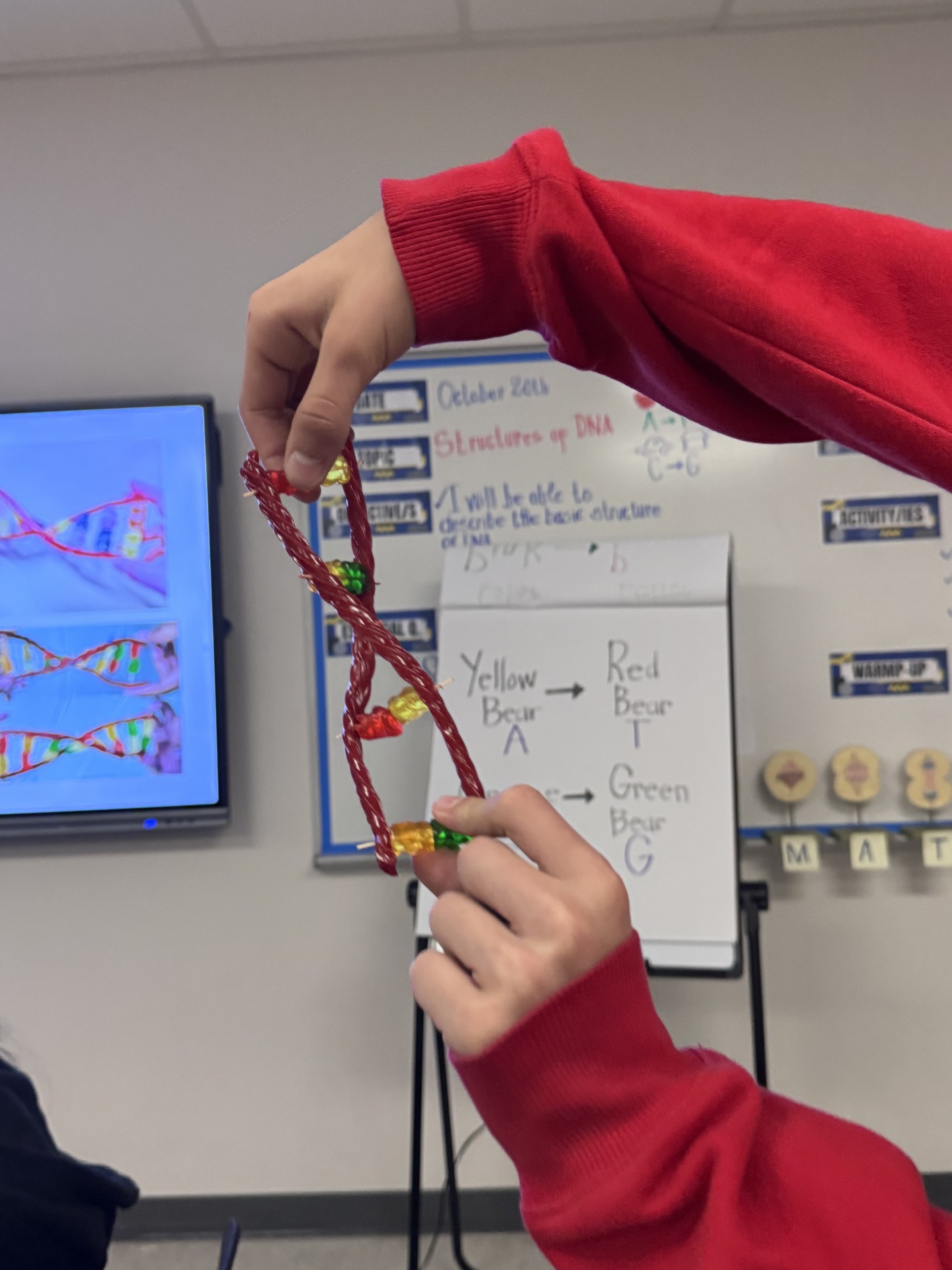
One of the biggest challenges I faced was classroom management. My students were energetic, outspoken, and sometimes easily distracted. There were moments when I felt like I was spending more time redirecting behavior than actually teaching the lesson. It was frustrating, especially because I wanted my classroom to be active, engaging, and student-centered. At the same time, I held high expectations for myself. I wanted my lessons to be creative and meaningful. I used activities, storytelling, and learning stations to make science more exciting. But here is the challenge: how can you keep students engaged in a fun way while also making sure they stay focused and respectful?
There were difficult days. Days when students did not listen. Days when I questioned if I was doing enough. Days when I felt tired—not just physically, but emotionally. As a teacher, you don’t just teach lessons. You carry your students’ struggles, behaviors, and progress with you.
So how did I overcome this challenge?
First, I learned to be consistent. I realized that students need clear expectations every single day. Not just rules written on the wall, but routines that are practiced and reinforced. I became more intentional with how I started my class, how I gave instructions, and how I followed through with consequences. Consistency built structure, and structure gave my students a sense of stability.
Second, I worked on building relationships. Instead of focusing only on correcting behavior, I made an effort to understand my students. I talked to them, checked on them, and showed that I cared about their progress. Slowly, I noticed a change. When students feel respected, they are more willing to give respect in return.
Third, I learned to balance firmness and patience. I did not lower my expectations, but I changed how I responded. I stayed calm, even in difficult situations. I chose to guide instead of reacting. This helped create a more positive classroom environment.
Finally, I reminded myself why I started. I came to the U.S. not just to teach, but to grow. Every challenge became part of my learning. Instead of seeing difficult moments as failures, I began to see them as opportunities to improve.
Today, I can say that those struggles helped shape me into a stronger teacher. My classroom is not perfect, but it is better. My students are not perfect, but they are learning. And I am not perfect, but I am growing every day.
To my fellow J-1 teachers: it is okay to struggle. It is okay to feel overwhelmed at times. What matters is that you keep showing up, keep learning, and keep believing in the impact you are making. Because in the end, teaching is not about having a perfect classroom, it is about making a difference, one student at a time.
Remember…
J – Just keep going, even on the hard days.
O – Open your heart to growth and new experiences.
W – Work with purpose, not just pressure.
E – Embrace every challenge as a lesson.
L – Lead with patience and compassion.
Padayon, ituloy lang ang laban hanggang sa dulo ng tagumpay! — Jowel P., Ph.D., Texas
Related Posts

The Value of Adaptability: When Teaching in the U.S. Brings Unexpected Challenges
Four Years Across Oceans: A Journey of Purpose, Growth, and Grace